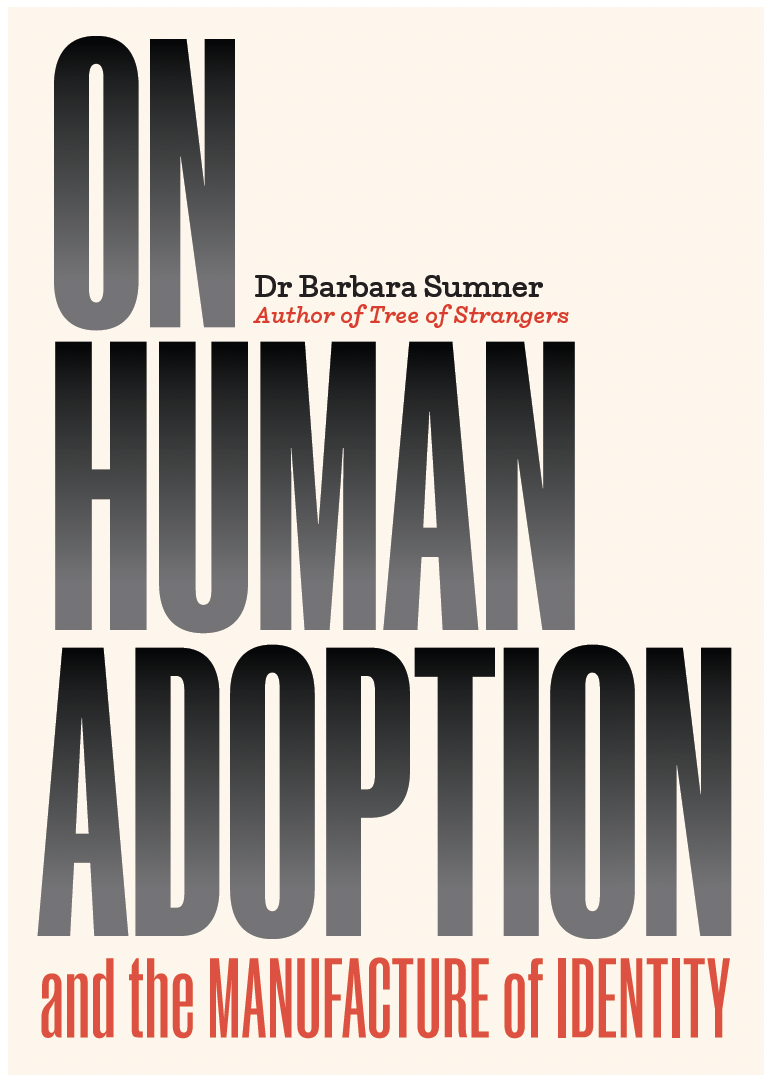
What is adoption, really? What purpose does it serve in our society? And is adoption – a child placed, most often, with unrelated adults, with all records permanently sealed – a blind spot in our shared understanding of the human right to identity?
Your answers depend on where you stand: as a mother or father who lost a child, as an adopter, a legislator, a bureaucrat, a relative or friend affected by adoption, or as one of more than 100,000 New Zealanders and tens of millions worldwide who were adopted as infants.
For those of us who are adopted, inequality isn’t something left behind in history. It is woven into the structures of our lives. Adoption is not a single event. The reality of what it means to be an adopted person seeps in gradually, like a sound below the threshold of hearing, until it becomes impossible to ignore.
Adoption is not fate. For the child, all adoption is forced. It is a legal invention, written into law with the promise of finality. In New Zealand, the Adoption Act 1955, along with associated Acts and numerous amendments, continues to enforce secrecy, control records, and erase identities.
Yet adoption remains entangled in a powerful cultural script: a story of rescue and advantage, of children saved and families completed.
Ways to read the book
The book is available in both print and digital formats.
Printed copies can be shipped worldwide. A digital version is also available for instant download and can be read on most devices.